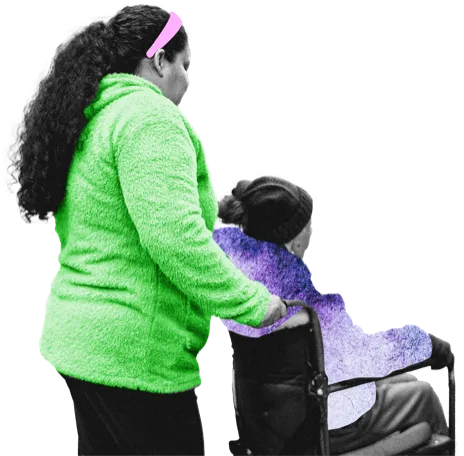
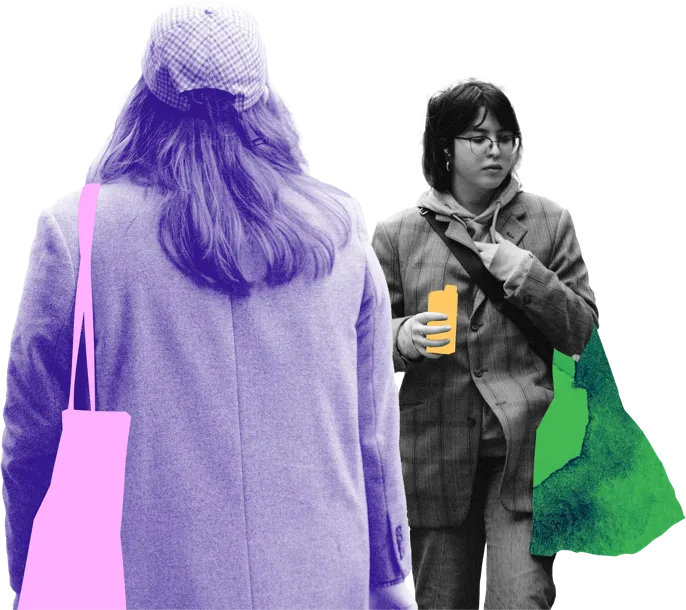
There are burdens that go unseen,
but we all carry them.
This is how the burdens we carry together — and that are not yet fully visible — connect. The information mapped below is fed by the participation of women who, like you, have been part of this project. Spread the word.
in the mapping
traced
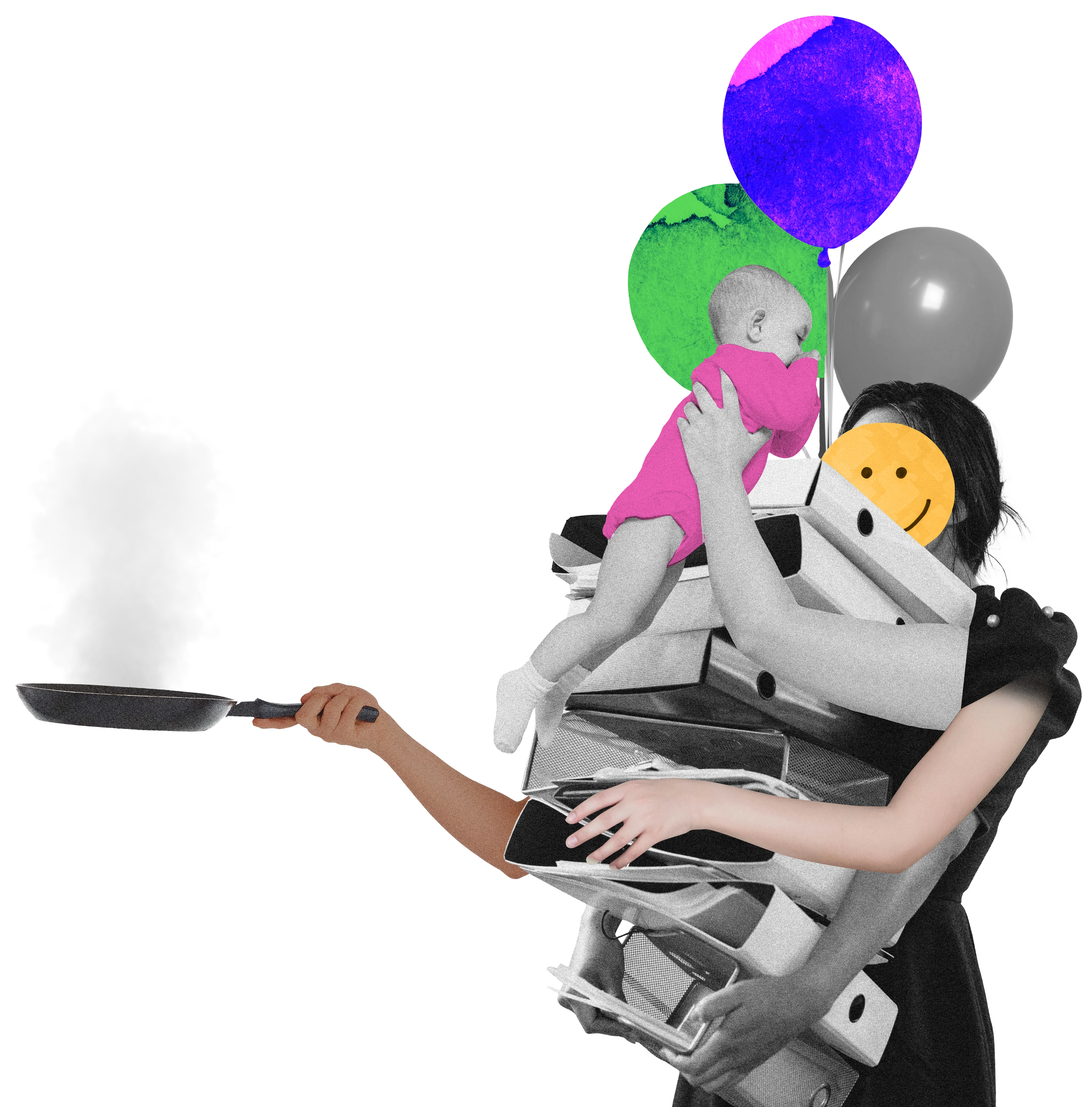
The invisible weight that holds up the workplace
Women take on physical, emotional, cognitive, organizational, and relational efforts without recognition, compensation, and often without even being aware they exist.
The exhaustion many of us feel doesn't just come from having too much work: it comes from anticipating needs, caring for the team, modulating our voice, and working through pain without rest protocols or schedule flexibility. You don't need to have the right words: here we name them together.
Burdens don't weigh the same for everyone
They multiply when you're a mother, when you're Indigenous or Afro-descendant, when you live with a disability, when you work informally, or when you're a migrant.
… women in … countries opened this conversation. What follows is what they said.
Results
What weighs the most
The 10 most reported burdens by participants
About this chart
Each bar is an invisible burden. The longest bars are the ones most women identified. The number on the right shows the total votes and percentage.
Votes by category
«84% of participants identified at least one burden related to image and appearance.»
Behind every number is a woman. Here, each dot represents one of them.
Visualization
Each dot is a woman
Each dot represents a participant
About this visualization
Each dot is a participant. Together they form the collective weight. The buttons above group by burden category or by country.
Each dot, a story.
We don't all carry the same weight. Context changes the burden. Explore the differences.
Perspectives
Collective mirror
Select a profile and discover how experiences vary across Latin America
About this section
Choose a country, sector, or age and press Compare. The purple bars are the group you chose, the gray ones are the Latin America average.
Borders change, but burdens persist. This is the map of what goes unspoken in each country.
Geography
The map of silence
44 burdens × 7 countries
About this map
Each cell crosses a burden with a country. Darker = more women identified it there. Tap or hover over a cell to see details. Swipe to see all countries.
Each burden has a name. Explore all 44 and discover the story behind each one.
Explorer
The 44 invisible burdens
Explore each of the mapped burdens
About this section
These are the 44 burdens we mapped. The color filters show one category at a time. Tap any card to read more about that burden.
Your mapping
This data comes from those who already named what they carry
… women gave a name to what they carry at work. Each response makes what we share more visible.
The mapping is anonymous, voluntary, and takes approximately 8 minutes. There are no right answers — just your experience.
I want to map my burdensBecause what goes unnamed, goes unchanged.
Naming is the first step. Sharing is the second.
This data is power.
Share it.
Download the report, bring it to decision-makers, make the invisible visible.
#WeCarryItTogether
Cíclicas Lab · Usaria · Monoku · 8M 2026